
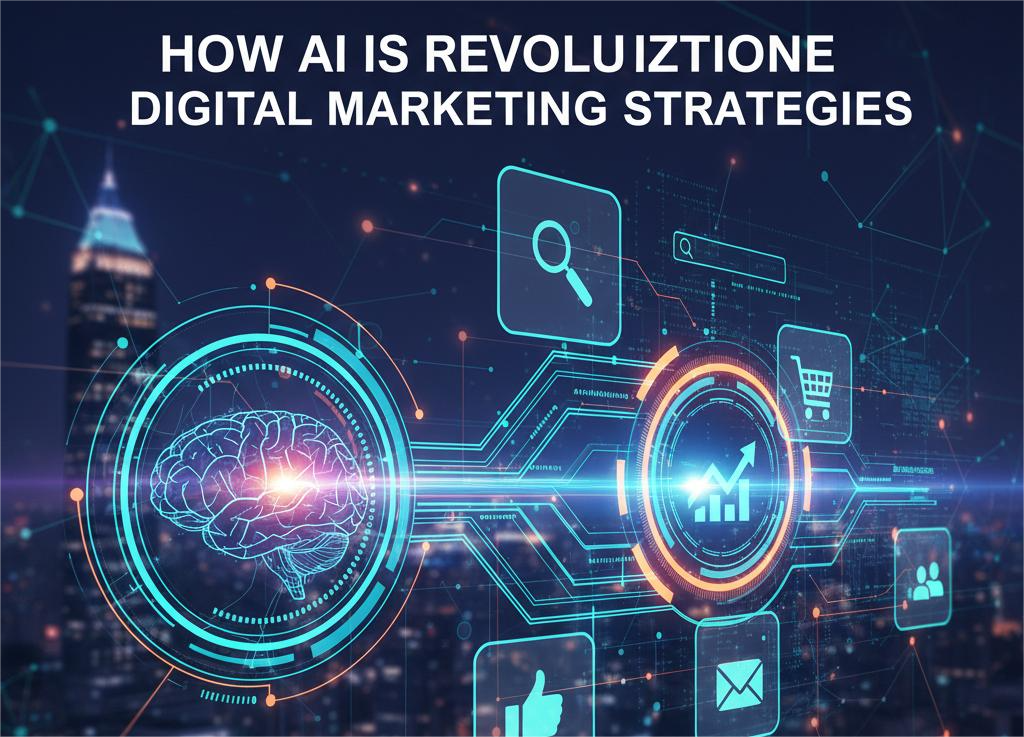
In the fast-paced world of digital marketing, artificial intelligence (AI) has emerged as a game-changer, reshaping how brands connect with audiences. AI in digital marketing leverages advanced technologies like machine learning to analyze vast amounts of data, automate processes, and deliver personalized experiences at scale. From AI tools that optimize campaigns in real-time to AI marketing strategies that predict consumer behavior, businesses are witnessing unprecedented efficiency and ROI. As we navigate 2025, understanding how AI changes marketing is crucial for staying competitive. This article explores the transformative impact of AI, highlighting key areas such as AI-powered analytics, data-driven marketing, AI advertising tools, and machine learning in marketing. By integrating these elements, marketers can craft strategies that not only engage but also convert, driving exponential growth in an increasingly digital landscape.
AI-Powered Analytics: The Backbone of Data-Driven Marketing
At the heart of AI’s revolution in digital marketing lies AI-powered analytics, which empowers brands to make informed, data-driven decisions. Traditional marketing relied on hindsight analysis, but AI introduces predictive capabilities that forecast trends and consumer preferences with remarkable accuracy. Machine learning in marketing processes historical and real-time data to uncover insights that humans might overlook, such as subtle shifts in customer sentiment or emerging market opportunities. For instance, tools like Google Marketing Platform use predictive analytics to simulate campaign outcomes, helping marketers allocate budgets more effectively and avoid costly missteps.
Data-driven marketing, enhanced by AI, transforms raw data into actionable strategies. By analyzing structured data like purchase histories and unstructured data from social media posts or reviews, AI identifies patterns that inform everything from content creation to customer segmentation. A prime example is lead scoring, where AI assigns values to potential customers based on engagement levels, demographics, and behaviors, prioritizing high-conversion prospects. This not only streamlines sales funnels but also boosts conversion rates by up to 20-30% in some cases, as seen in industries like e-commerce.
Moreover, AI-powered analytics enables agile decision-making. Marketers can adjust strategies on the fly in response to real-time data, such as market fluctuations or competitor actions. Tools like FullStory and Algolia provide deep insights into customer journeys, revealing preferences and pain points that refine targeting. The result? Higher ROI through optimized campaigns that resonate with audiences. As businesses adopt these technologies, data-driven marketing becomes not just a tactic but a foundational strategy, ensuring sustained growth in a competitive environment.
Personalization: Crafting Tailored AI Marketing Strategies
One of the most profound ways AI changes marketing is through hyper-personalization, where artificial intelligence marketing tools deliver customized experiences that make customers feel uniquely valued. Gone are the days of one-size-fits-all campaigns; AI analyzes individual behaviors, preferences, and interactions to create dynamic content across channels. For example, Netflix uses AI to recommend content based on viewing history, while Amazon suggests products drawn from browsing patterns and past purchases, resulting in increased engagement and loyalty.
AI marketing strategies leverage machine learning to predict user needs proactively. Predictive analytics anticipates actions, such as sending personalized emails at optimal times or adjusting website layouts in real-time. This level of personalization boosts conversion rates significantly; studies show that tailored experiences can increase sales by 20% or more. Tools like ON24’s Intelligent Engagement Platform automate these processes, offering content recommendations and calls-to-action that adapt to user behavior instantly.
Furthermore, conversational AI, such as chatbots, enhances personalization by handling queries and providing recommendations in natural language. Sephora’s AI-powered bots, for instance, offer beauty advice based on user inputs, fostering deeper connections. In 2025, this extends to voice and visual search, where AI processes queries to deliver relevant results, combating digital fatigue and improving satisfaction. By integrating data from multiple sources, AI ensures seamless customer journeys, turning casual browsers into loyal advocates and revolutionizing how brands build relationships.
AI Advertising Tools: Optimizing Reach and ROI
AI advertising tools are transforming digital marketing by automating and optimizing ad placements, targeting, and performance. Machine learning algorithms analyze audience data to refine bids, test creatives, and target segments with precision, maximizing ROI on platforms like Google Ads and Facebook. Tools such as Trapica and Birch handle real-time adjustments, ensuring ads reach the right people at the lowest cost.
How AI changes marketing in advertising is evident in programmatic buying, where AI processes consumer data for hyper-targeted campaigns. This reduces waste and increases efficiency, with dynamic optimizations leading to better engagement. For example, AI can predict the best times for ad delivery based on user activity, enhancing click-through rates. In video marketing, AI converts transcripts into personalized clips, making content more accessible and shareable.
Data-driven marketing amplifies these tools by providing insights that inform ad strategies. Predictive models forecast trends, allowing marketers to pivot quickly and capitalize on opportunities. The benefits are clear: reduced ad spend, higher conversions, and scalable campaigns. As AI integrates deeper into advertising ecosystems, it empowers smaller businesses to compete with giants, democratizing access to sophisticated tools and strategies.
Machine Learning in Marketing: Content Creation and Beyond
Machine learning in marketing is pivotal for content creation, enabling generative AI to produce high-quality materials at scale. Tools like Jasper and Writer.com generate blog posts, ad copy, and social media content that align with brand voice, saving time and ensuring consistency. This automation frees marketers for strategic tasks, fostering creativity while maintaining efficiency.
Beyond creation, machine learning enhances SEO and search strategies. With AI-powered search engines like Google’s RankBrain, content must optimize for semantic relationships and voice queries, adapting to zero-click results. AI also supports automation in email and social media, with platforms like HubSpot scheduling posts and analyzing performance. In e-commerce, it manages inventory and personalizes shopping experiences, driving sales.
The integration of machine learning promotes data-driven marketing by continuously learning from interactions, refining algorithms for better outcomes. Challenges include ethical concerns like bias, but when addressed, it unlocks innovation, making marketing more adaptive and effective.
Future Trends and Challenges in AI-Driven Marketing
Looking ahead to 2025 and beyond, AI will deepen its influence with trends like AI agents for workflows and ethical AI governance. Marketing roles will shift toward strategy and oversight, with AI handling routine tasks. However, issues like data privacy and algorithm bias must be tackled through regulations and audits. Businesses investing in AI training will thrive, turning challenges into opportunities for growth.
Conclusion
AI is undeniably revolutionizing digital marketing strategies, from AI-powered analytics to personalized campaigns and optimized advertising. By embracing artificial intelligence marketing tools and machine learning, brands can achieve data-driven excellence, fostering loyalty and driving revenue. As technology evolves, those who adapt will lead the charge in this dynamic field.