

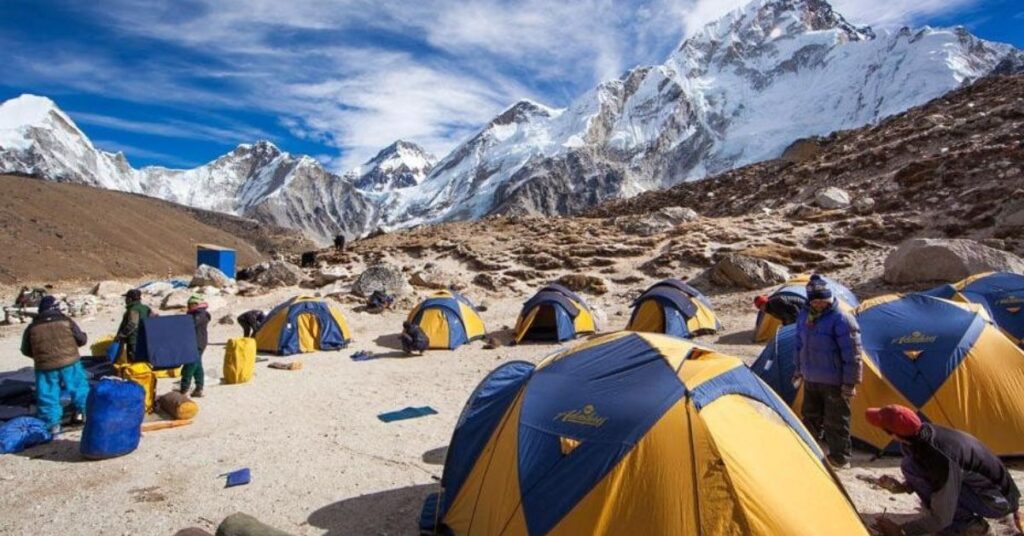
The Everest Base Camp trek is one of the most iconic adventures for travelers seeking to explore the Himalayas. Reaching the base camp, located at an altitude of 5,364 meters, offers stunning views of Mount Everest and surrounding peaks like Lhotse and Nuptse. The trek typically starts from Lukla, Nepal, and passes through vibrant Sherpa villages such as Namche Bazaar and Tengboche.
Trekking to Everest Base Camp is a challenge due to its high altitude, so proper preparation is crucial. Hikers should be mindful of altitude sickness, pack appropriately, and choose the best time, typically between September and November, for optimal weather conditions.
Everest Base Camp Trekking Routes
The Everest Base Camp trekking routes offer various paths to reach the iconic base camp. The most popular route starts from Lukla, where trekkers take a flight from Kathmandu to begin their journey. From Lukla, trekkers move through Phakding, Namche Bazaar, and Tengboche, experiencing stunning views of Mount Everest, Lhotse, and Ama Dablam.
Another route, known as the Gokyo Lakes trek, offers additional scenic views of the Gokyo Ri summit and the surrounding lakes. Regardless of the route, trekkers should be prepared for altitude challenges, with acclimatization days built into the itinerary to ensure safety.
Everest Base Camp Stunning Views
The Everest Base Camp offers some of the most stunning views in the world. As trekkers make their way through the Khumbu Valley, they are treated to breathtaking vistas of Mount Everest, Lhotse, Nuptse, and Ama Dablam. The view from Kala Patthar, a popular viewpoint near Everest Base Camp, is truly iconic, offering panoramic views of the surrounding peaks.
Trekkers also enjoy views of Tengboche Monastery and the beautiful Gokyo Lakes. The ever-changing landscapes, combined with the dramatic mountains, make the Everest trek a once-in-a-lifetime experience, truly showcasing the natural beauty of the Himalayas.
Read more: Bali Visa Extensions: How to Stay Longer Legally?
Everest Base Camp Trekking Experience
The Everest Base Camp trekking experience is a life-changing adventure that combines physical challenge with awe-inspiring beauty. Trekking through the Khumbu region, visitors encounter Sherpa villages like Namche Bazaar and Tengboche, with stunning views of Mount Everest, Lhotse, and Ama Dablam. Along the route, trekkers face varying altitudes, requiring proper acclimatization to avoid altitude sickness.
The journey offers a deep connection with nature, including stops at historical sites like Tengboche Monastery and breathtaking viewpoints such as Kala Patthar. The Everest Base Camp trek is not just a hike but a test of endurance and spirit amidst the Himalayan mountains.
Everest Base Camp Packing Essentials
When preparing for the Everest Base Camp trek, packing the right essentials is crucial for a safe and enjoyable journey. Key items include warm clothing, such as a down jacket and thermal layers, to withstand the freezing temperatures at high altitudes. Sturdy trekking boots are essential for rugged terrain, while a sleeping bag rated for cold weather will ensure a good night’s rest.
Don’t forget a waterproof jacket for unexpected rain, a headlamp for night hikes, and sunscreen to protect against UV rays. Other important gear includes a backpack, trekking poles, first aid kit, and water purification tablets.
What to Expect at Everest Base Camp?
When trekking to Everest Base Camp, expect a physically demanding journey that rewards you with breathtaking views and a sense of achievement. As you pass through Sherpa villages like Namche Bazaar and Tengboche, you’ll experience local culture and hospitality. The trek offers stunning panoramas of Mount Everest, Lhotse, and Ama Dablam.
Upon reaching Everest Base Camp, you’ll be surrounded by towering peaks and icefalls, with the Khumbu Icefall in view. Expect challenging terrain and unpredictable weather, along with the potential effects of altitude sickness. Proper acclimatization and preparation are key to completing this iconic adventure.
Everest Base Camp Hiking Tips
When hiking to Everest Base Camp, proper preparation is key for a successful and safe trek. Start with a physical training regimen, focusing on endurance and stamina for high-altitude trekking. Ensure you have sturdy trekking boots and a backpack with essential gear like a first aid kit, water purification tablets, and thermal clothing.
Acclimatization is crucial to avoid altitude sickness, so plan rest days in Namche Bazaar and Dingboche. Stay hydrated and eat well to maintain energy. Also, always carry sunscreen and a headlamp for unpredictable weather and night treks. Lastly, be prepared for challenging weather conditions and fluctuating temperatures.
Read more: How to Start an Online Business With AI in 2026?
Secrets to Conquer Everest Base Camp
Conquering Everest Base Camp requires physical preparation, mental resilience, and smart planning. One of the key secrets to success is proper acclimatization, allowing your body to adjust to the high altitudes and avoid altitude sickness. Start with a slow pace to avoid overexertion, especially through Namche Bazaar and Dingboche, where acclimatization days are essential.
Packing the right gear, like sturdy trekking boots, a sleeping bag, and warm clothing, will ensure comfort. Staying hydrated, eating nutritious foods, and managing your energy levels are crucial for stamina. Embrace the experience, stay positive, and enjoy the breathtaking Himalayan scenery along the way.
Conclusion
The Everest Base Camp trek is an unforgettable adventure travel that combines physical endurance with unparalleled natural beauty. Trekking through the Khumbu region, you’ll experience the vibrant Sherpa culture, stunning views of Mount Everest, and the challenge of high-altitude hiking. While the journey can be demanding, proper preparation, acclimatization, and the right gear are key to success.
Whether you’re hiking through Namche Bazaar or standing at the base of the world’s highest peak, the Everest Base Camp trek offers a transformative experience. It’s a once-in-a-lifetime opportunity to connect with nature and push your limits in the heart of the Himalayas.
FAQ’s
Can I trek to Everest Base Camp without a permit?
Yes, you need a Trekking Permit and a Sagarmatha National Park Permit to trek to Everest Base Camp.
How high is Everest Base Camp?
Everest Base Camp is situated at an altitude of 5,364 meters (17,598 feet) above sea level.
What is the risk of altitude sickness on the trek?
Altitude sickness is a risk at high elevations, so proper acclimatization and hydration are vital to avoid it.
Is it possible to trek to Everest Base Camp in winter?
Winter treks are possible but more challenging due to freezing temperatures and snowfall. Only experienced trekkers should attempt it.
What is the accommodation like along the trek?
Accommodation ranges from basic tea houses in villages like Namche Bazaar to simple guesthouses along the route. Rooms are shared with fellow trekkers.