
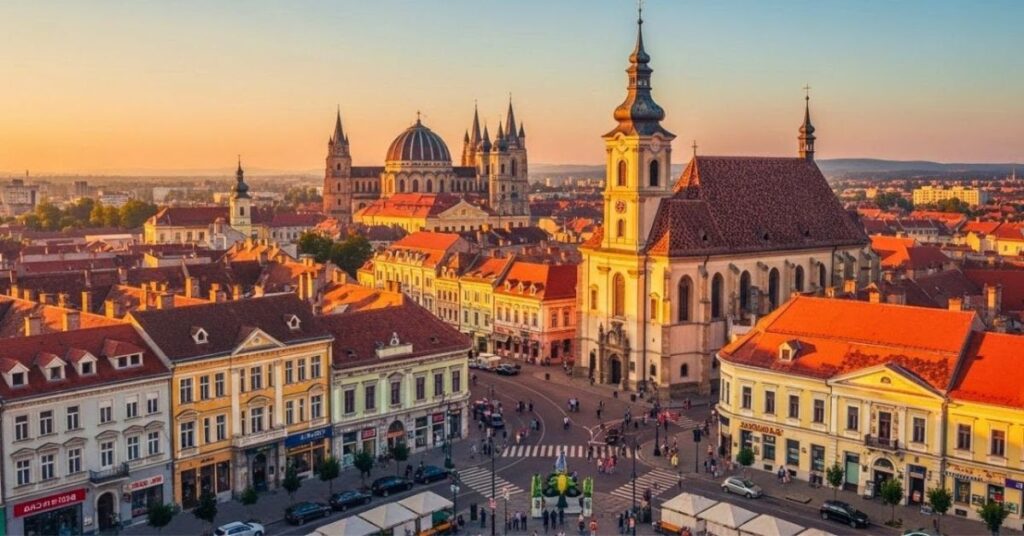
Romania is a country in Southeastern Europe. It is bordered by five countries: Ukraine to the north, Hungary to the west, Serbia to the southwest, Bulgaria to the south, and Moldova to the east. The country is known for its beautiful landscapes, including the Carpathian Mountains in the center and the Danube River to the south.
Romania has a coastline along the Black Sea to the southeast. The capital city is Bucharest, which is located in the southern part of the country. Romania location makes it an important part of Europe, with significant cultural, historical, and economic influence.
Romania’s Neighboring Countries
Romania shares borders with five countries in Southeastern Europe. To the north, it borders Ukraine, while to the west, it shares a border with Hungary. In the southwest, Romania is bordered by Serbia, and to the south, it borders Bulgaria along the Danube River. To the east, Romania shares a border with Moldova.
These neighboring countries are important to Romania’s economy, culture, and history. The Danube River, which forms part of Romania’s southern border, is a vital waterway for trade, while the Carpathian Mountains act as a natural divide, enhancing Romania’s strategic position in Europe.
Romania’s Geographic Features
Romania has many different geographic features. The Carpathian Mountains are in the center, creating beautiful landscapes and forests. These mountains are home to wildlife like brown bears and wolves. To the south, Romania has lowlands, including the Wallachian Plain, where the capital, Bucharest, is located.
The Danube River flows along Romania’s southern border, providing an important waterway for trade and travel. Romania also has a coastline along the Black Sea in the southeast, which is great for tourism and fishing. These diverse geographic features make Romania a unique and natural destination for travelers.
Read more: Everest Base Camp Adventure: A Journey of a Lifetime
Famous Romanian Traditions
Romania is known for its rich cultural heritage and famous traditions. One popular tradition is Mărțișor, celebrated on March 1st, marking the start of spring. People exchange small tokens with red and white strings, symbolizing good luck. Christmas in Romania is celebrated with festive songs and traditional caroling. Easter traditions include painting eggs and preparing special dishes like lamb and sarmale (stuffed cabbage rolls).
The Romanian folk dance and music are also well-known, with each region having its unique style. Romania’s folklore, including tales of Dracula, is deeply rooted in its traditions, making the country culturally rich and unique.
Geography of Romania Explained
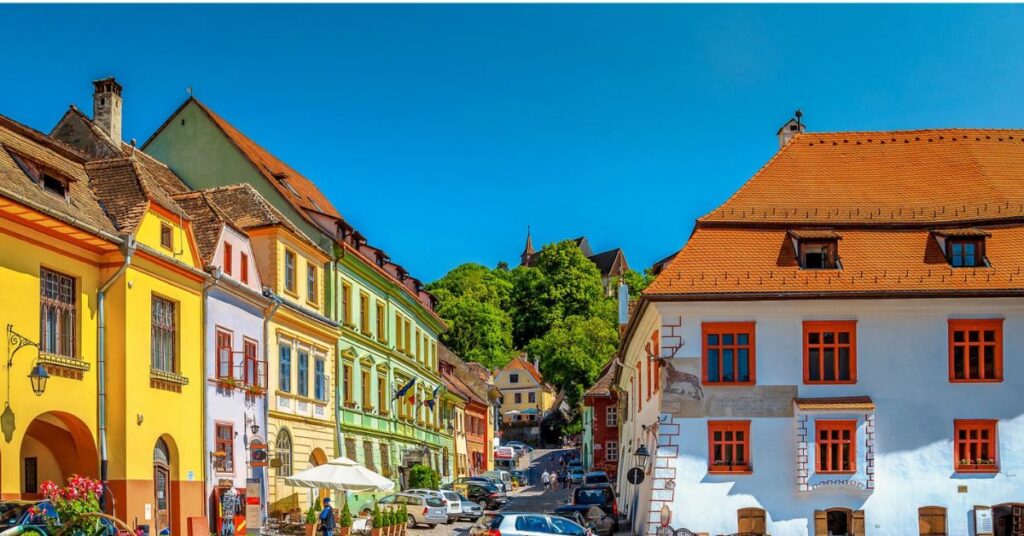
Romania is located in Southeastern Europe, surrounded by five countries. The Carpathian Mountains run through the center, providing stunning views and rich wildlife, including brown bears and lynx. To the south, the Danube River forms a natural border with Bulgaria, creating fertile land for agriculture. Romania has a Black Sea coastline, offering important access to trade routes.
The capital city, Bucharest, lies in the southern region near the river. Romania’s geography includes forests, rivers, and plains, making it diverse in landscapes. The country’s unique position between Eastern and Western Europe enhances its cultural and economic importance.
Where Romania Is Situated?
Romania is located in Southeastern Europe. It is bordered by five countries: Ukraine to the north, Hungary to the west, Serbia to the southwest, Bulgaria to the south, and Moldova to the east. Romania’s capital, Bucharest, is in the southern part of the country, near the Danube River.
The Carpathian Mountains run through the center of Romania, giving it beautiful landscapes. Romania also has a coastline along the Black Sea to the southeast. Its position makes Romania an important country for trade, culture, and history, especially within the European Union.
Read more: Bali Visa Extensions: How to Stay Longer Legally?
Romania’s Climate
Romania has a temperate-continental climate, with four distinct seasons: spring, summer, autumn, and winter. Summers are hot, with temperatures often reaching over 30°C (86°F), especially in the southern areas like Bucharest. Winters are cold, with temperatures sometimes dropping below 0°C (32°F), especially in the Carpathian Mountains. The Danube River helps moderate the climate in the southern regions.
Autumn brings cooler temperatures, while spring is mild with blooming flowers. Romania’s climate varies across the country, with the mountains being cooler and the plains warmer. This diverse climate makes Romania an interesting place for tourists year-round.
Romania’s Coordinates and Borders
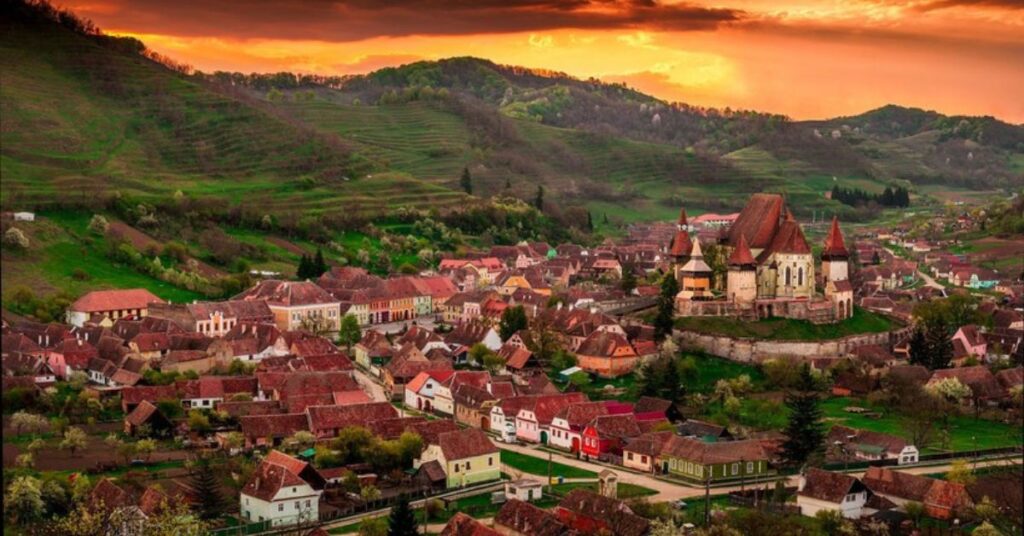
Romania is located at coordinates 45.9432° N latitude and 24.9668° E longitude in Southeastern Europe. It shares borders with Ukraine to the north, Hungary to the west, Serbia to the southwest, Bulgaria to the south, and Moldova to the east. The Danube River forms part of Romania’s southern border with Bulgaria and Serbia, acting as an important waterway.
Romania’s capital, Bucharest, lies in the south, near the river. The Carpathian Mountains run through the center, providing stunning landscapes. Romania’s borders connect it to key European regions, adding to its strategic importance.
Romania’s Regional and Global Influence
Romania has a strong regional and global influence. As a member of the European Union and NATO, Romania plays an important role in regional security and economic cooperation. Its location along the Black Sea gives it access to international trade routes, boosting its economy. Romania’s rich culture, with famous figures like Nadia Comăneci and Eugen Ionescu, adds to its global influence.
The country’s history, from the Roman Empire to its medieval kingdoms, shapes its connections with neighboring countries like Hungary and Bulgaria. Romania continues to grow in influence, with a focus on strengthening ties within Europe and worldwide.
Conclusion
Romania is a unique country in Southeastern Europe with diverse geography, including the Carpathian Mountains, the Danube River, and access to the Black Sea. It shares borders with Ukraine, Hungary, Bulgaria, Serbia, and Moldova. Romania’s cultural and historical influence has shaped the region, while its strategic position boosts its global significance.
As a member of the European Union and NATO, Romania plays a key role in regional security and trade. Its rich natural resources and vibrant culture continue to attract tourists and international attention. Overall, Romania’s geography, history, and global connections make it an important and dynamic nation.
FAQ’s
What is Romania’s currency?
Romania’s currency is the Romanian Leu (RON).
Who are some famous people from Romania?
Famous Romanians include gymnast Nadia Comăneci, playwright Eugen Ionescu, and Vlad the Impaler (also known as Dracula).
What is Romania’s natural beauty like?
Romania boasts diverse landscapes, including the Carpathian Mountains, Danube River, and a coastline along the Black Sea.