
The gap between budget and flagship wireless earbuds has nearly closed. Features that used to be reserved for premium models: active noise cancellation, multi-device pairing, high-res audio codecs, and companion EQ apps: now show up across almost every price bracket. You don’t need to spend hundreds of dollars to get wireless earbuds that handle a noisy commute, a busy office, or an afternoon of music without complaint. That said, flagship options still lead on things like adaptive noise management and spatial audio. Here’s what’s actually driving that shift and which wireless earbuds are worth your money right now.
Why Wireless Earbuds Sound Better Than They Used to

A big part of this improvement comes down to Bluetooth Low Energy Audio and its companion codec, LC3. LC3 replaces the older SBC codec, compressing audio more efficiently so you get clearer sound at half the bitrate, while also cutting battery use by 20 to 30%. LE Audio also brings latency down to 40 to 60 milliseconds, which gets rid of the lip-sync lag you sometimes notice while streaming video or gaming. Alongside LC3 sits Auracast, a broadcast feature that lets one transmitter send audio to an unlimited number of nearby earbuds at once, useful for shared listening or public announcements.
What to Actually Look for Before Buying
Spec sheets only tell part of the story. A few practical factors matter more day to day:
- Fit and seal. The physical seal your ear tips create inside the canal affects almost everything else. If that seal breaks while you’re moving, noise cancellation drops off fast and bass response thins out.
- Battery life. Most wireless earbuds in 2026 deliver 6 to 12 hours per charge with ANC turned on, and charging cases extend that to 30 to 50 hours total. Fast charging adds another 1 to 2 hours of playback from just ten minutes on the case.
- Connection stability. Bluetooth 5.3 and 5.4 chipsets hold up better in crowded wireless environments, and Bluetooth Multipoint lets you switch seamlessly between your laptop and phone when a call comes in.
The Best Wireless Earbuds by Category
Built around your phone’s ecosystem
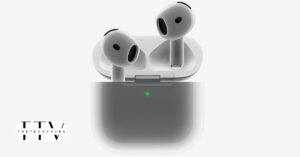
If you’re on iPhone, the Apple AirPods Pro 3 remain the obvious pick. Built around the H3 chip, they average 90% noise attenuation, adjust transparency automatically, and pack in health sensors, including heart rate tracking, all while managing 8 hours of continuous playback.
For Android or cross-platform users chasing sound quality above all else, the Sony WF-1000XM6 stands out. A QN2e processor and 10-band customizable equalizer pair with support for Sony’s LDAC codec, and the AI-driven beamforming microphones do a solid job cutting wind noise.
Samsung owners get the tightest integration from the Galaxy Buds 4 Pro. An eleven-millimeter woofer plus a dedicated tweeter support 24-bit/96kHz high-res audio through Samsung’s own Seamless Codec, and the IP57 rating means sweat and light rain aren’t a concern. Expect around 6 hours of ANC playback.
Built for calls and travel
If your days are full of calls in noisy offices or coffee shops, look for strong environmental noise cancellation. The Jabra Elite 10 Gen 2 uses a six-microphone array to isolate your voice from HVAC hum and keyboard noise up to 60 decibels. For long wear sessions, the Bose QuietComfort Ultra Earbuds (2nd Gen) use CustomTune auto-calibration and soft stability bands to keep noise cancellation strong without pressure building up in your ear canal over time.
Best value under $100

Budget wireless earbuds have genuinely caught up in a lot of ways:
- The Anker Soundcore Space A40 offers adaptive ANC, wireless charging, LDAC support, and 50 hours of total battery life.
- The CMF by Nothing Buds 2 Plus brings dual-driver tuning and LDAC support, with over 10 hours of playback per charge.
- The EarFun Air Pro 4+ covers Bluetooth 6.0, aptX Lossless, LDAC, Auracast, and a ten-band EQ app, all under $100.
Pricing Tiers at a Glance
- Under $50: Dynamic drivers, 6 to 12 hours of battery, standard AAC/SBC codecs, and basic ANC that handles steady office noise well but struggles outdoors in wind.
- $50 to $150: Dual-driver setups, LDAC or aptX Lossless support, Bluetooth Multipoint, IP55 water resistance, and app-based EQ controls.
- $200 to $330: Dedicated noise-canceling processors, adaptive spatial audio with head tracking, multi-mic beamforming with AI noise suppression, and seamless handoff between devices.
Strengths and Trade-Offs to Keep in Mind
What’s working well:
- Battery life stretching to 50 hours total with the case
- Widespread LE Audio and LC3 support improving both sound and runtime
- Companion apps offering genuinely useful EQ customization
- Solid noise isolation for daily transit and office use
What still needs work:
- Ecosystem lock-in limits some high-res codecs and smart features to specific phone brands
- Microphones still struggle in windy conditions without specialized hardware
- Batteries aren’t replaceable, so performance fades after a few years of daily charging
Which Wireless Earbuds Should You Actually Buy
The right pair really comes down to your phone and your routine. iPhone users get the most out of Apple’s system-level controls, while Android users chasing top audio quality should look at LDAC-enabled options like Sony. If you’re on calls constantly, prioritize a strong multi-mic array over raw sound quality. Match your fit, codec support, and battery needs to how you actually use your earbuds day to day, and you’ll end up with a pair that holds up to the routine you’re buying it for.
Read More