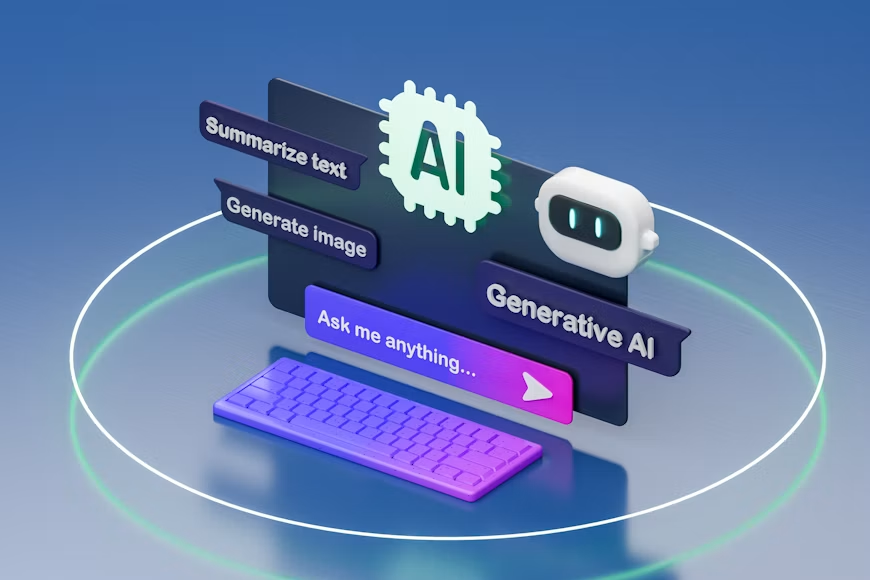

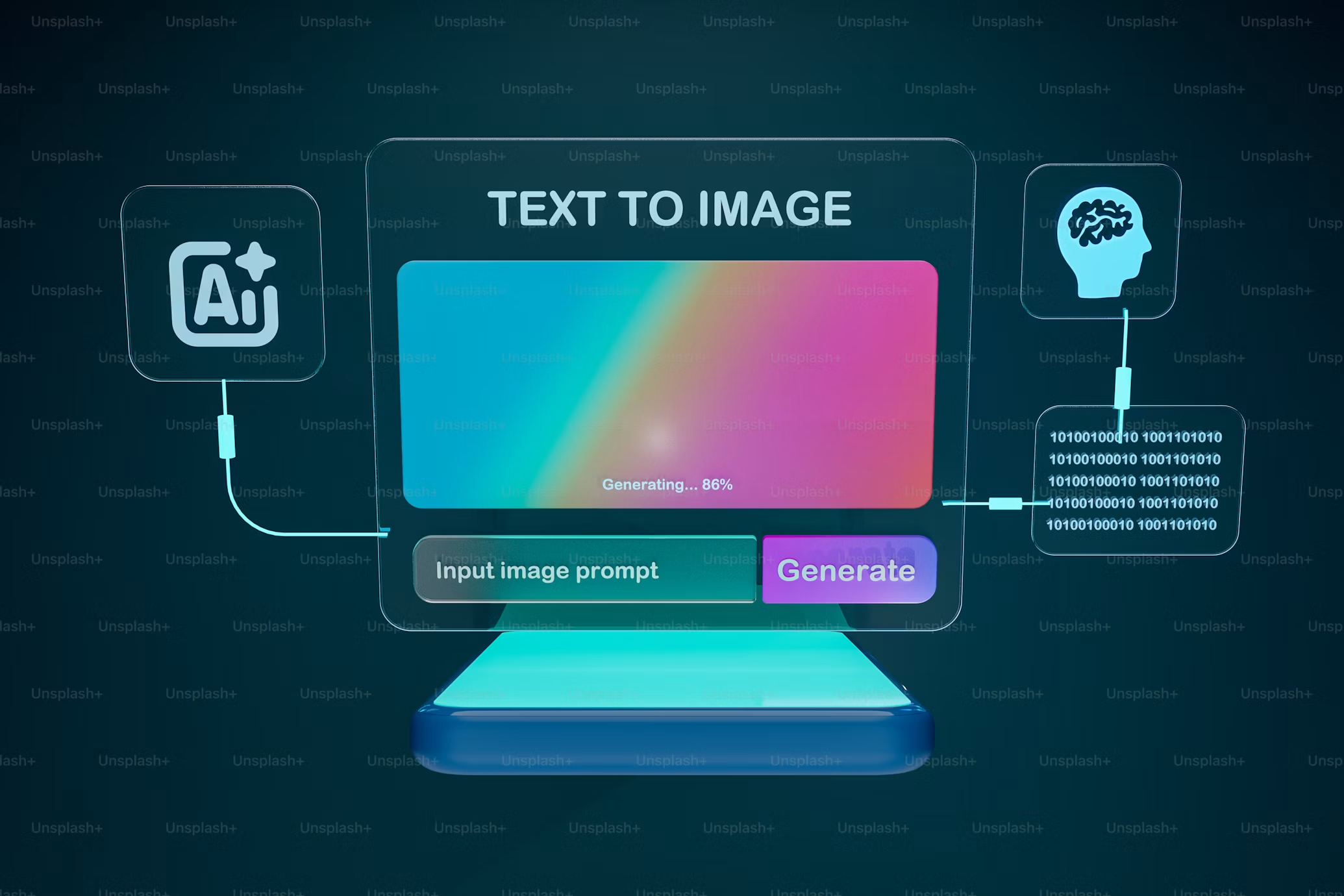
Generative AI has changed how software creates rather than simply sorts information. Older machine learning systems were built to spot patterns and make decisions, such as flagging spam or catching fraudulent transactions. Generative AI takes a different path, producing new material that didn’t exist before the prompt was typed, including:
- Written text and articles
- Realistic images and video
- Software code
- Audio and music
- Scientific and research data
This shift from checking data to creating something original is what sets generative AI apart, and it explains why the technology has moved so quickly from research labs into everyday tools used by people around the world.
From Data Analysis to Genuine Creation
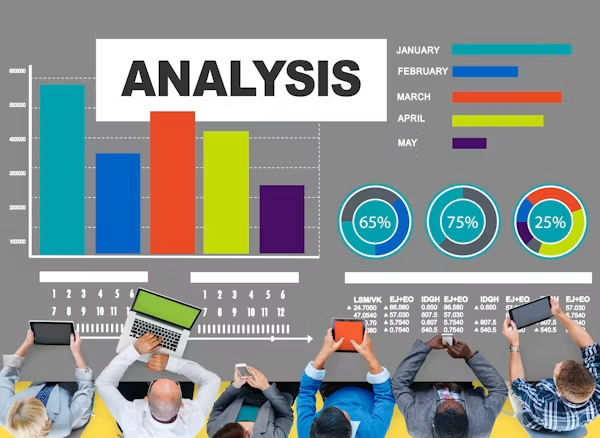
Traditional software works by following fixed rules or pulling stored records from a database. Generative AI instead relies on neural networks trained on huge amounts of information, learning the patterns, structure, and style hidden within that data. Once trained, the system can respond to a prompt with an output that is coherent and relevant, even though it wasn’t copied from anywhere specific.
How Generative AI Actually Works
A generative AI tool might reply within seconds, but nothing about that response involves thought or awareness. It’s the result of statistical calculation on a massive scale. The process generally moves through three stages:
- Building a foundation model
- Fine-tuning that model
- Generating a response
Building the foundation
Every generative AI system starts with a foundation model, trained on enormous datasets that can include hundreds of billions or even trillions of words, images or lines of code. During pre-training, the model repeatedly guesses missing or upcoming words in a sequence, comparing each guess against the correct answer and adjusting itself to improve. Repeated across billions of examples, this builds a detailed internal map of language, structure and meaning.
Fine tuning and human feedback
A freshly trained foundation model knows a great deal in general terms but isn’t tailored to any particular job. Developers narrow its focus through:
- Fine tuning: feeding the model examples from specific fields such as medicine, law or customer service
- Reinforcement learning from human feedback: having people rate different responses so the model learns which answers are genuinely useful
Generating answers in real time
When someone enters a prompt, the system converts it into numerical values and calculates the most likely next word, pixel or sound, one step at a time. Many tools now use retrieval-augmented generation, which pulls relevant information from outside sources at the moment of the request and blends it with the prompt before producing a response. This helps reduce outdated or incorrect answers, a known weak point of generative AI.
The Technology Behind Generative AI

Several distinct architectures power today’s generative AI systems, each suited to a different kind of output.
Transformers and large language models
The transformer architecture, introduced in 2017, underlies most modern language models, including the systems behind well-known chatbots. Key points to know:
- Transformers use attention mechanisms, letting the model weigh the relationship between every word in a passage at once
- This differs from older systems that read one word after another
- The result is essays, code, and conversational replies that read naturally and stay on topic
Diffusion models
Image, video and audio generation typically rely on diffusion models. The process works like this:
- During training, an image is gradually covered in random noise until nothing recognisable remains
- The model learns to reverse that process, predicting and removing noise
- During generation, it starts from random noise and steadily removes it, guided by a text description
- Many systems perform this work in a compressed version of the data to reduce computing power required
Mixture of experts
As models grow larger, a design called mixture of experts helps manage the cost:
- Rather than activating every part of the network for each request, the system routes input to a small number of specialised sub-networks, or experts
- A router decides which experts handle which piece of input
- This keeps the model’s overall knowledge base large while only a fraction switches on for any single task
- The result is lower processing costs without sacrificing capability
Earlier approaches: GANs and VAEs
Before transformers and diffusion models became widespread, two earlier methods laid the groundwork:
- Generative adversarial networks (GANs): pair two systems against each other, one creating content and the other judging its authenticity, improving output through repeated competition
- Variational autoencoders (VAEs): compress data down to its essentials and rebuild it in new variations
Where Generative AI Is Used Today

Generative AI now supports work across many industries. Common applications include:
- Writing and communication: drafting articles, reports, summaries, and marketing copy
- Software development: writing code, spotting bugs, translating between programming languages, and producing documentation
- Media production: creating images, animations, music, and voiceovers
- Scientific research: modelling protein structures, running physics simulations, and supporting materials discovery
Risks and the Need for Oversight
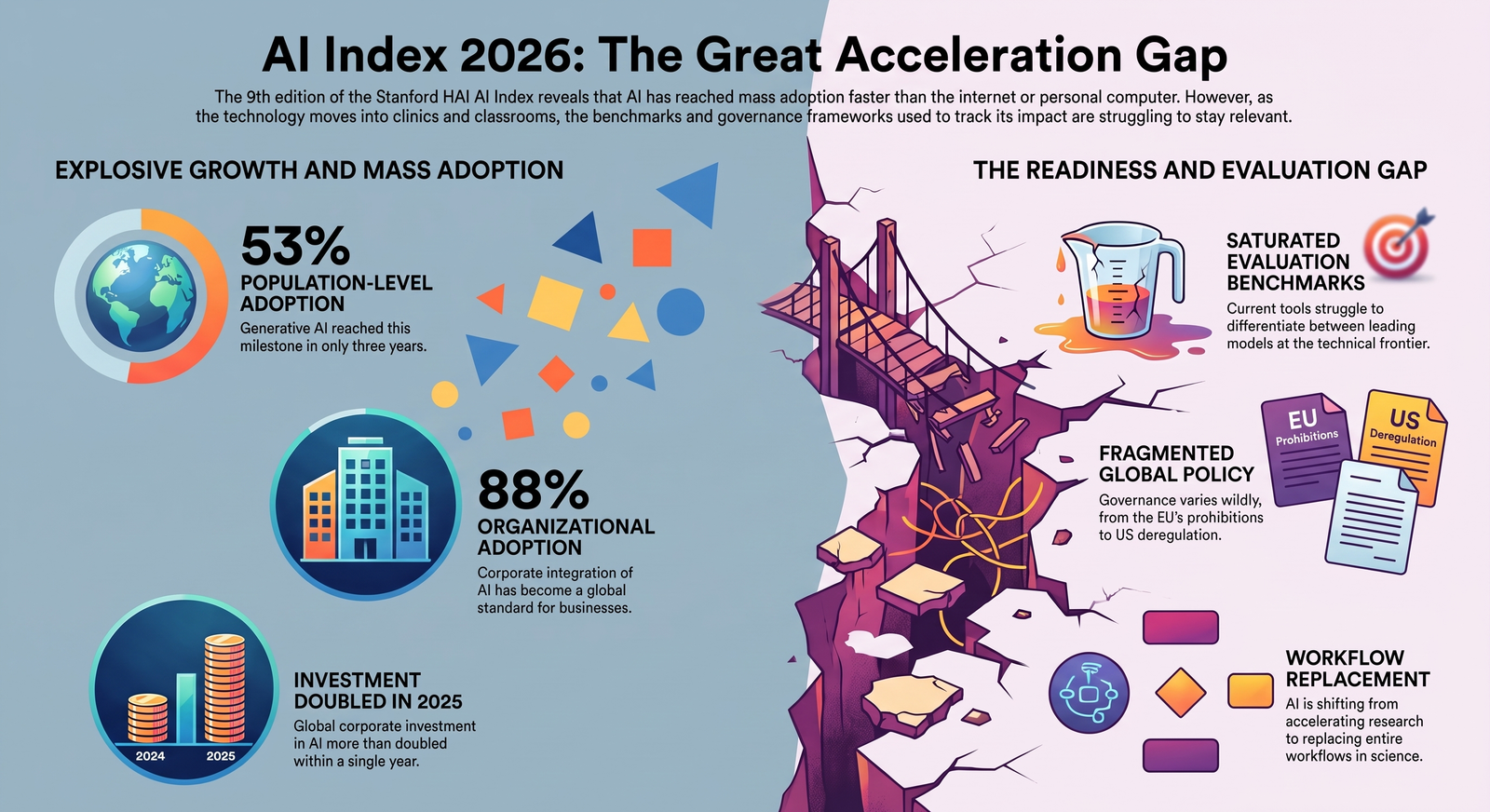
Generative AI isn’t without drawbacks. Points worth keeping in mind:
- Hallucination remains the best-known issue, where a system produces a confident, fluent answer that turns out to be false, including invented statistics or fake citations
- These models are built to produce plausible text rather than verify facts, so human review remains necessary before any output is treated as reliable
- Feeding sensitive information into public tools raises privacy concerns
- As more systems move toward agentic behavior, planning and carrying out multi-step tasks on their own, proper oversight and checks become even more important
The Road Ahead
Generative AI has moved from a research concept to a practical tool used across writing, design, software, and science worldwide. Understanding how it’s trained, fine-tuned, and put to work helps separate genuine capability from hype. As the technology keeps advancing, particularly with agentic systems taking on more independent tasks, careful human oversight will remain a key part of using generative AI responsibly and getting reliable results from it.
Read More